St John's CEPrimary School
The Hive - SEMH and Nurture Support
Description:
The purpose of a nurture group is to address the social, emotional and behavioural difficulties of children. According to Nurture UK, they are “a school-based intervention run by two members of staff with up to twelve pupils. The aim is to replace missing early experiences by developing positive pupil relationships with both teachers and peers in a supportive environment.” Nurture groups give children the early nurturing experiences that they have missed, starting with forming attachments to consistent, loving and caring adults in school. “Unconditional positive regard is one of the most powerful mechanisms for change.”
Objective:
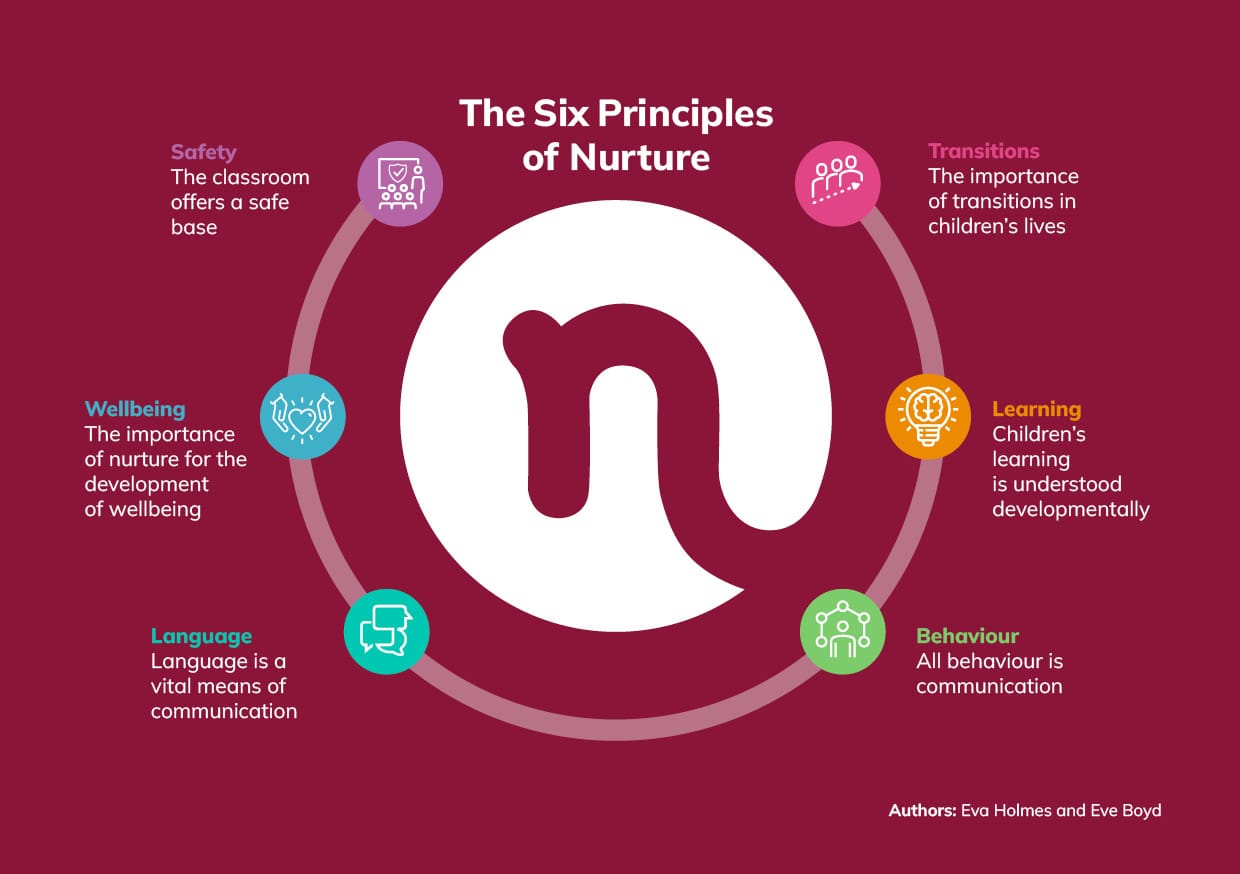
To create a nurturing space designed to support children who may experience barriers to learning due to social, emotional or behavioural needs. Based on the principles of nurture, The Hive provides a safe, welcoming and supportive environment where children can develop their social and emotional skills, confidence, self-esteem and resilience. The nurture approach recognises that positive relationships, a sense of belonging and feeling safe and valued are essential foundations for successful learning. Through nurturing activities, shared experiences and carefully planned support, children are encouraged to develop their communication skills, listen and be listened to, build positive relationships and manage challenges with greater confidence. Children are supported to recognise their strengths, take pride in their achievements and develop the skills they need to flourish both personally and academically. Our aim is to ensure that every child feels valued, included and ready to engage positively with their learning and wider school community.
The Why:
1 in 8 children and young people have a clinically diagnosable mental health problem, and half of those with lifetime mental health problems first experience symptoms by the age of 14. Moreover, children who develop conduct problems early on are at a greater risk of experiencing delinquency, antisocial behaviours and substance abuse in adolescence and adulthood.
Children and young people with special educational needs, poor mental health or living in poverty are much more likely to get excluded and to have lower educational outcomes. By increasing the chances of having vulnerable and disadvantaged students remain in schools, Nurture groups help break the cycle of intergenerational poverty by removing the barriers to learning and succeeding in schools.
Nurture UK report that 77.7% of children who entered nurture groups as part of the trail were exhibiting difficult behaviour and this reduced to just 20.6% at post-intervention tests over one academic year.
At St John’s we want to offer all children, regardless of their start in life, the best possible chance. Offering this Nurture Space, allows children who have suffered with trauma the ability to learn vital, key skills to do this.
Summary
“A nurture group is a focused, short-term intervention for primary or secondary school pupils with social, emotional and behavioural difficulties which make it harder for them to learn in a mainstream class.”
Why are we following Nurture UK:
Their approach has been proven to:
- - Improve social and emotional skills
- - Improve attendance
- - Improve attainment
- - Improve behaviour and reduce exclusions
- - Improve parent-child relationships
- - Have an impact on the whole school